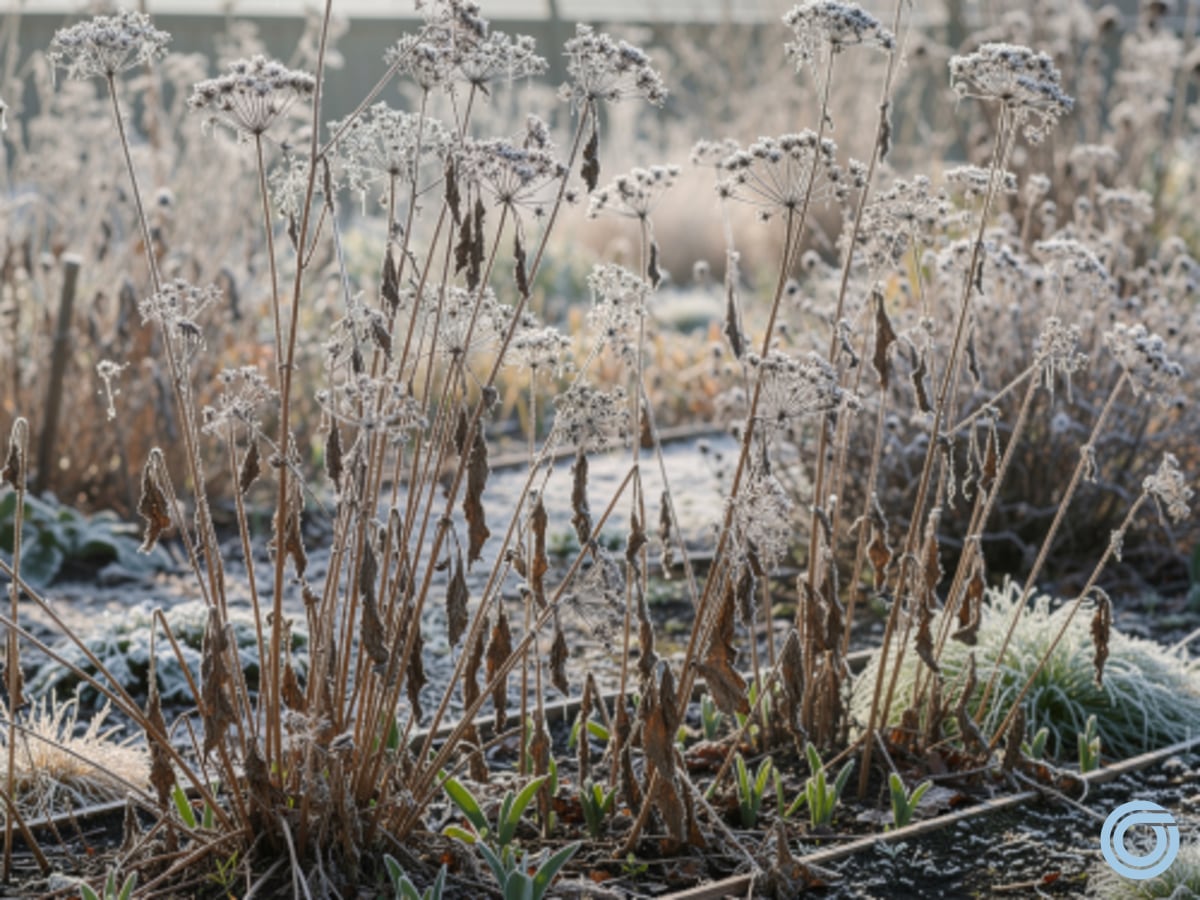
One thing to do in your garden this week: check your borders for waterlogging.
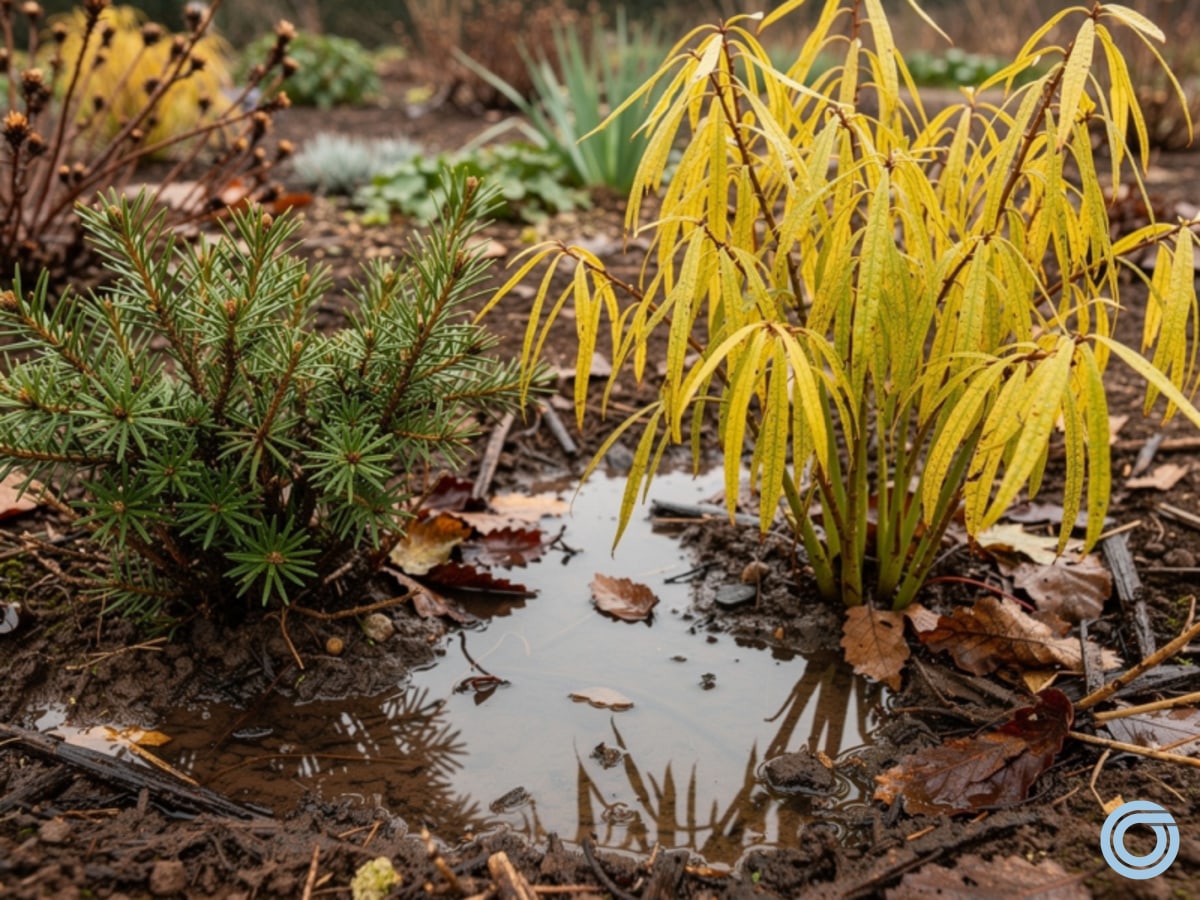
February in Surrey often means saturated soil. We've had plenty of rain this winter, and if you're on clay — which covers a good portion of the county — your beds might be holding more water than your plants can handle.
Here's a quick check:
Pick up a handful of soil and squeeze it. If it forms a tight, shiny ball that holds its shape, it's too wet to work. That's the sign to wait.
Signs of waterlogging:
— Yellowing leaves on evergreens
— Moss spreading aggressively into beds
— Soil surface staying wet days after rain stops
— A sour or stagnant smell from the soil
Why this matters: putting new plants into waterlogged ground is one of the most common reasons spring planting fails.
What you can do:
— Small area? Work in organic matter to improve drainage over time
— Severe or widespread? You may need proper drainage solutions
— At minimum, don't plant anything new in waterlogged spots until the soil dries out
We've been working Surrey's soil for over 50 years. Clay is part of life here — but with the right approach, it doesn't have to be a problem.
📍 Surrey
#soilhealth #springgardening #surreygardens #montroselandscapes #gardenadvice